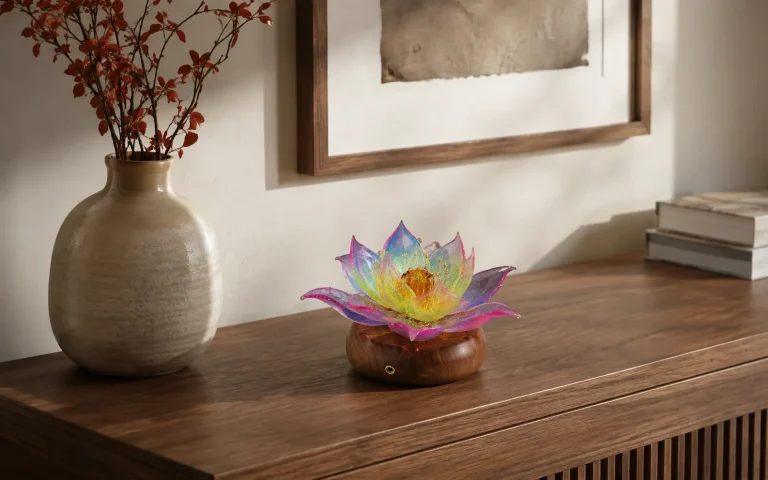
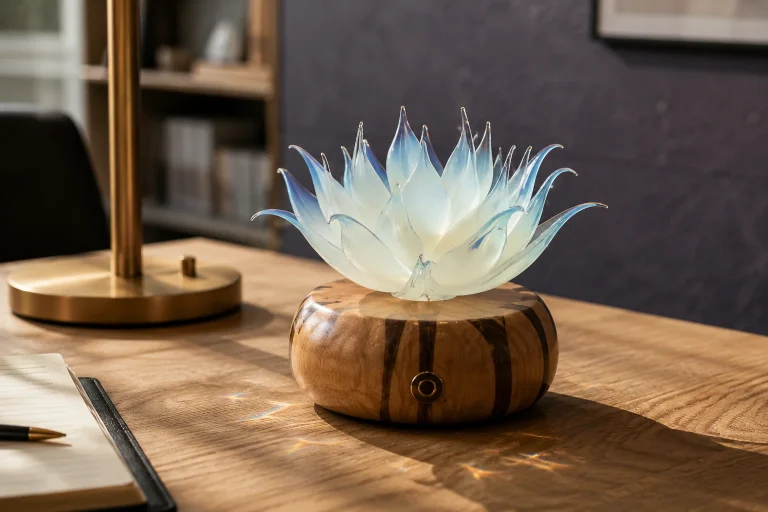
Meaningful Objects. Modern Stillness.Material presenceis the immediate, quiet confirmation that an object occupies reality with absolute honesty. This is why stone often feels entirely different from plastic. Most modern objects feel strangely forgettable, their repetitive surfaces synthetic and identical. Glass screens remain cold and flat, flattening our sensory boundaries. At the same time, digital life keeps replacing one disposable texture with another, inducing a pervasive digital burnout. The contemporary individual looks for a deeper sensory experience to anchor themselves amidst the modern noise.
Why Material Presence Makes Real Materials Feel Different
Stone reacts to pressure. Metal changes temperature. Wood absorbs time. Because of this, natural materials often feel emotionally different from synthetic ones. This is what we call Material Presence — the visceral feeling that an object possesses physical permanence rather than a temporary existence. Some materials feel alive in the hand, while others disappear from awareness the moment attention moves away.
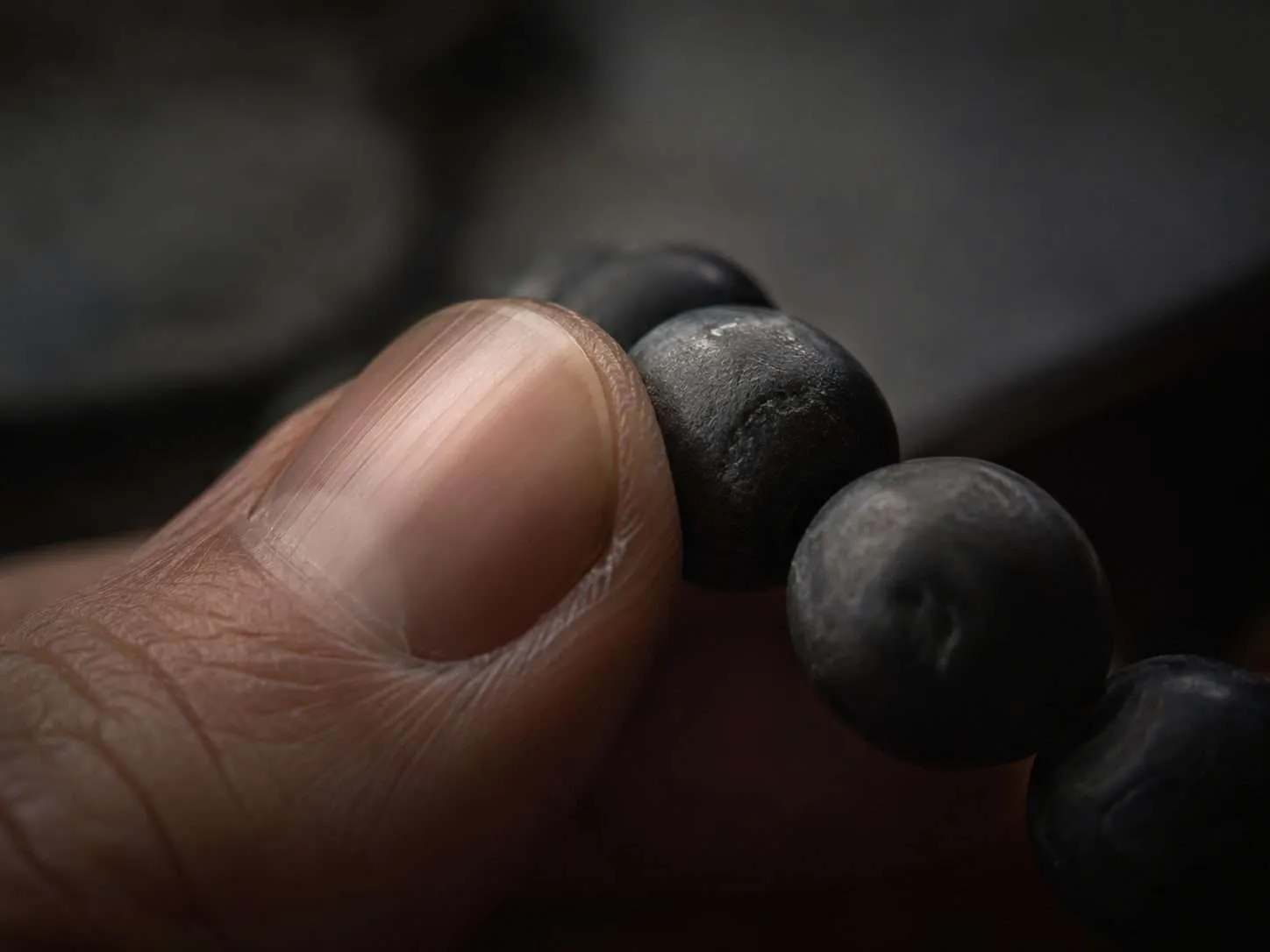 Material Presence: Texture, Weight, Translucency
Many people notice this instinctively. A heavier object often feels calmer, acting as an antidote to overstimulation. When interacting with a masterfully crafted natural stone bracelet, the physical weight and matte surface feel significantly quieter than reflective, disposable plastic. Likewise, rough natural textures tend to feel more grounding than perfectly polished synthetic surfaces that mimic reality without carrying its truth.
In contrast, modern digital surfaces rarely create emotional memory. Everything feels smooth, fast, and temporary. As a result, the nervous system actively seeks out a grounding bracelet or a physical artifact to restore an inner sense of order amidst high-stress environments.
Plastic forgets immediately.
Material Philosophy Begins With Physical Reality
Material philosophy begins with physical reality. Stone has density. Wood has grain. Metal carries temperature. These qualities are not only visual; they are felt by the hand as a rich sensory experience before the mind attempts to analyze them. For a general reference on natural minerals, the Britannica guide to minerals offers a simple overview of how minerals are defined. This physical origin is one reason natural materials often feel more grounded than synthetic surfaces.
Plastic can be useful, light, and practical. However, it removes variation, repeating the same surface again and again. The hand may touch it, but the mind does not always remember it. Stone behaves differently. It carries subtle variations in surface, weight, color, and translucency. Therefore, it does not disappear quickly from attention. It gives the body a genuine, material artifact to register.
This is why material presence matters in meaningful objects. A bracelet, bowl, stone, pendant, or ritual object does not need to be large to feel important. Instead, it needs to exhibit absolute material honesty and demand intentional interaction.
The Emotional Weight of Intentional Artifacts
Weight changes how attention behaves. A light, disposable object easily disappears from awareness, while a heavier material creates a true presence inside the hand. For this reason, high-stress professionals and urban minimalists frequently reach for metal, stone, wood, or ceramic during stressful moments. The nervous system trusts materials that respond slowly and feel stable.
A Visual Anchor gives the eye somewhere to settle amidst visual noise. Meanwhile, Tactile Grounding gives the body sensory certainty. Material Presence supports both experiences through texture, resistance, and weight.
For a more specific example of material presence in natural stone jewelry, read our guide to black obsidian bracelet meaning, including protection, grounding, and modern daily wear.
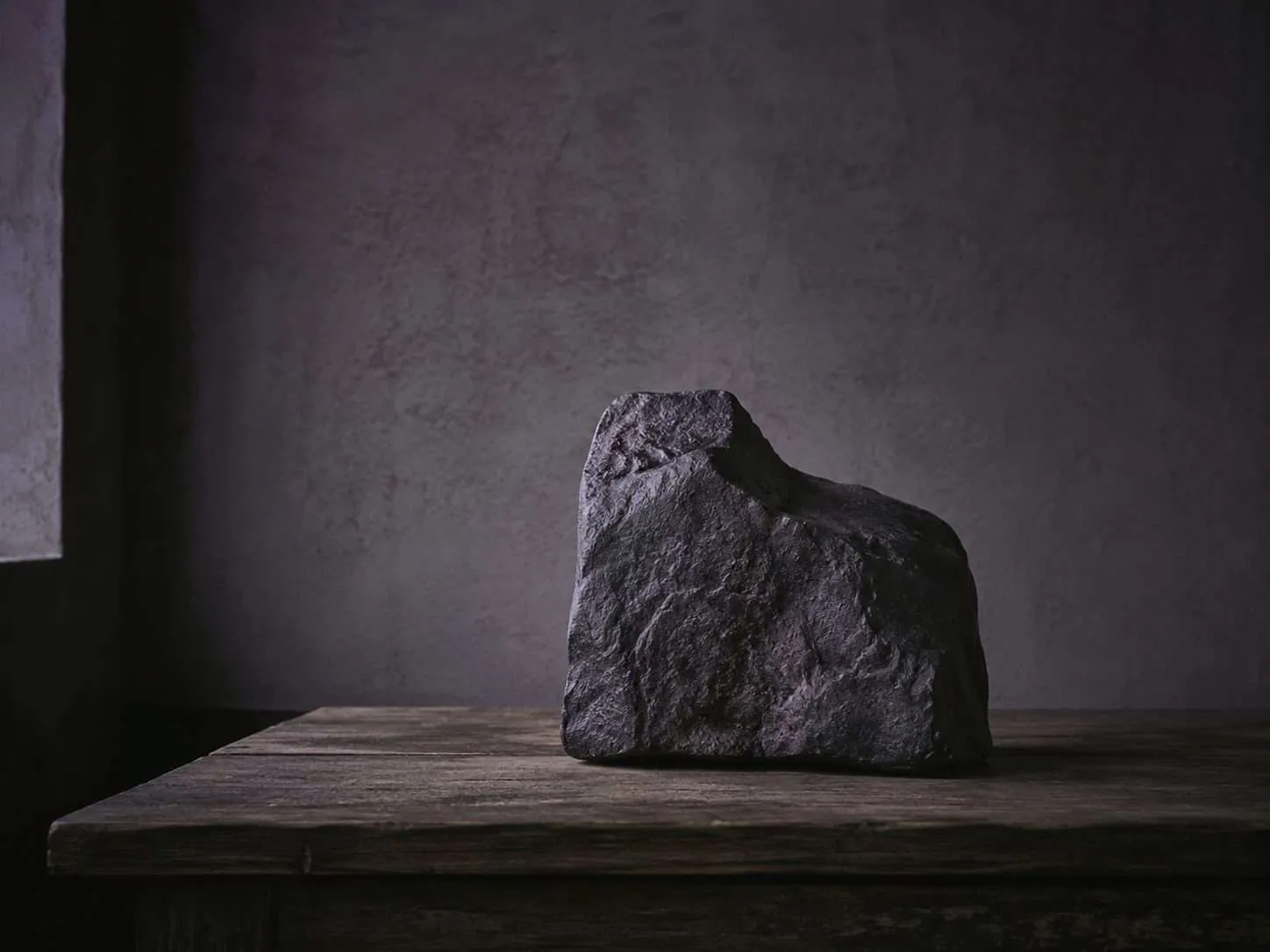 Sensory Detail: Weight, Surface, Reflection
Why Synthetic Surfaces Feel Emotionally Flat
Synthetic materials are designed for efficiency. They are lightweight, uniform, and easy to mass-produce. However, emotional connection and stillness rarely come from perfect uniformity. Natural materials carry organic variation. Tiny imperfections, subtle temperature shifts, and uneven textures create a feeling of reality that the body notices immediately.
Consequently, many design-savvy professionals begin surrounding themselves with older, heavier, or more tactile materials after periods of emotional exhaustion. The nervous system craves fewer artificial signals and more physical certainty.
At 9Purple, we believe materials should feel emotionally present. A curated piece should not only look beautiful — it must feel convincing in the hand, on the skin, and inside the atmosphere of a modern interior.
The Return of Real Materials
Modern life has become increasingly weightless. Messages disappear instantly. Interfaces change every week. Screens flatten almost every experience into the same glowing surface. In response, minimalist collectors and individuals are quietly returning to materials that feel slower and more grounded. Stone. Metal. Wood. Linen. Objects that carry physical resistance instead of endless speed.
This is the deeper role of Material Presence. It reminds the body that not everything needs to feel temporary, anchoring us securely within the modern noise.
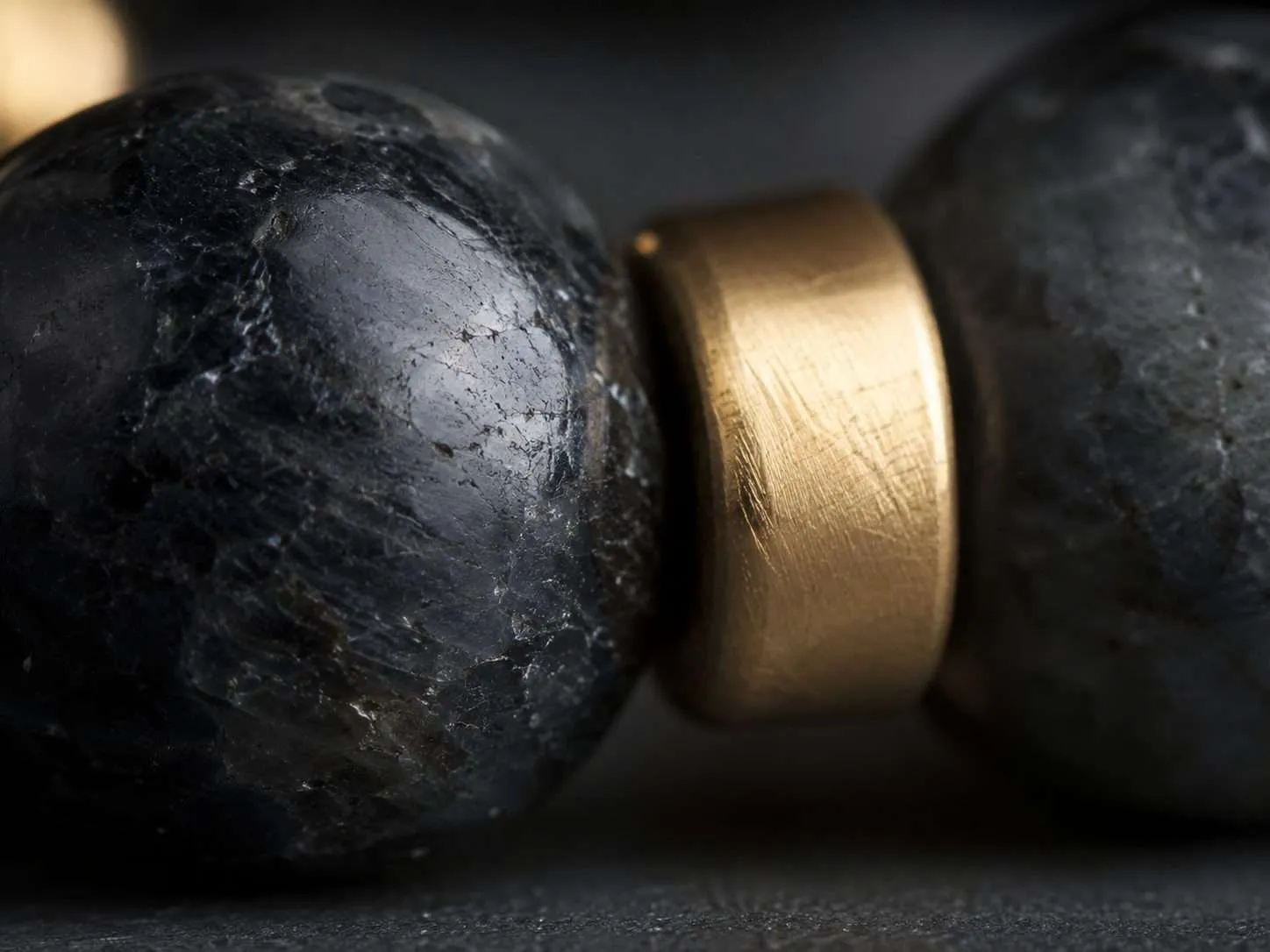 Atmosphere: The Return of Real Materials
From Material Presence to Daily Ritual
In daily life, material presence can turn an ordinary object into a quiet point of return. When an object has weight, texture, and translucency, it asks for slower attention. It does not need to explain itself. It simply remains present.
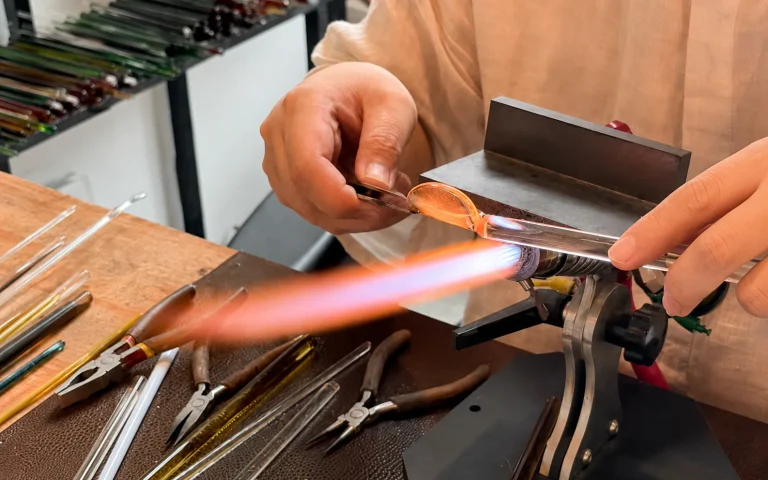
This is why natural stone, crystal, wood, metal, and artisan kiln-cast glass matter in meaningful design. They help objects feel less disposable and more connected to the body, the room, and the rhythm of a daily ritual. At 9Purple, material presence is part of how we understand modern stillness. A meaningful object should not demand attention. Instead, it should hold a quiet place in the background of everyday life.
Material Presence: Common Questions
Why does stone feel different from plastic?
Stone responds to pressure, temperature, and touch in a more complex way than synthetic materials. As a result, the body often experiences it as more grounding and emotionally real.
Why do heavier materials feel calming?
Heavier materials create physical certainty. Weight slows movement, stabilizes touch, and gives the nervous system stronger sensory feedback.
What is Material Presence?
Material Presence describes the feeling that an object physically occupies reality in a convincing way through texture, resistance, weight, and sensory detail.
Why are people returning to natural materials?
Many people feel overstimulated by digital environments and synthetic surfaces. Natural materials often feel slower, calmer, and emotionally steadier in comparison.
How does 9Purple approach Material Presence?
9Purple creates meaningful objects with tactile detail, visual stillness, and emotional atmosphere in mind. Every material is chosen for how it feels, not only how it looks.